

Improv as a Way of Thinking — Alumni Profile, Chet Harding ’92
Chet Harding ’92 threads improv through his journey at Amherst and the corporate world. Sometimes improv is more than just comedy, but a way of thinking embedded in Amherst and beyond.
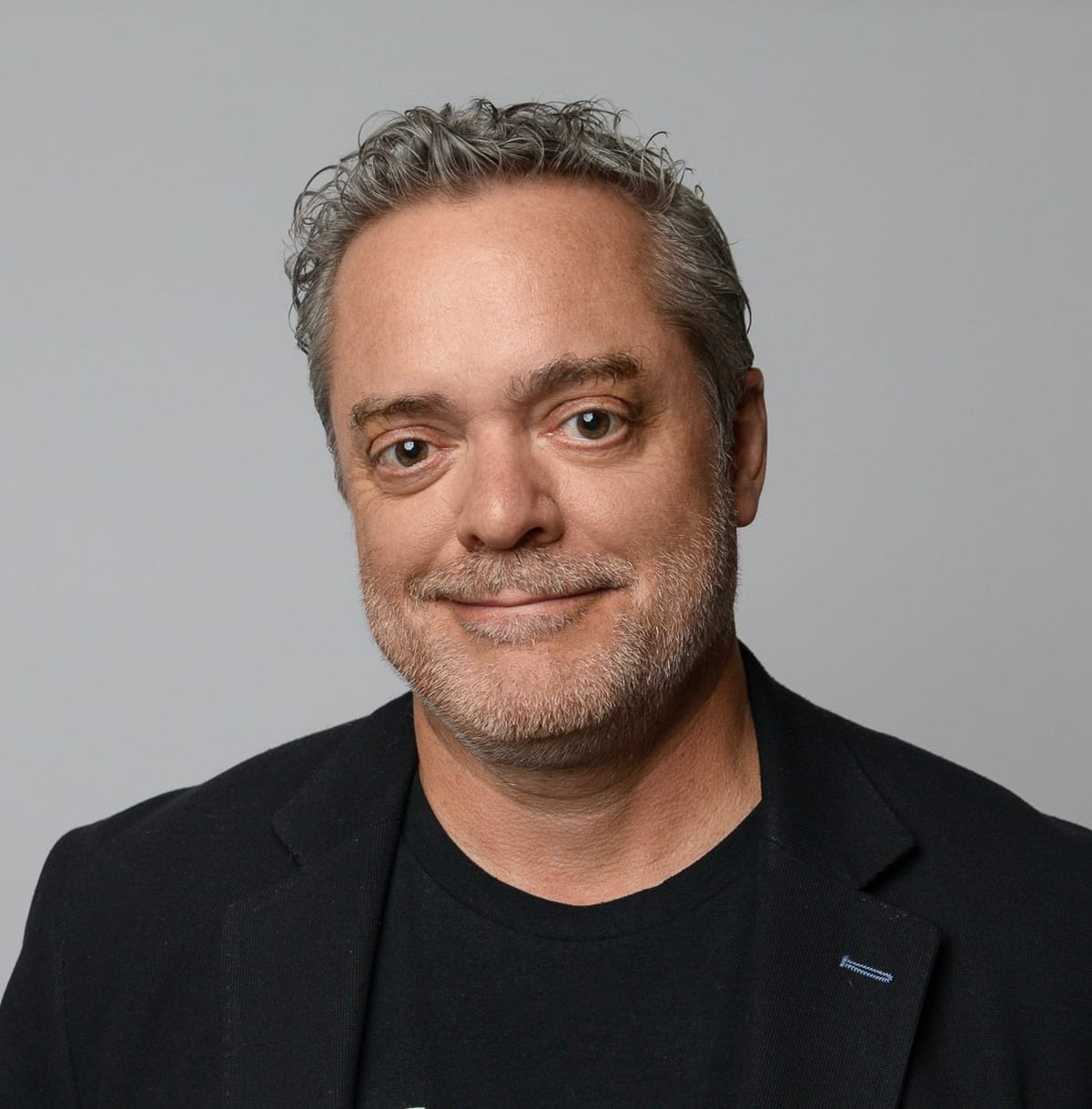
Once a high school “class comedian,” not a class clown, Chet Harding ’92, who would like to clarify that he did not found or participate in Gad’s House of Improv (he doesn’t want to mistakenly receive the credit), grew his love for comedy at his time at Amherst College, and has continued to explore comedy post-college in a multitude of entrepreneurial, humanitarian, and corporate endeavors.
Harding has dabbled in many disciplines: a senior thesis on transferable discharge permits in his own interdisciplinary major, improv at Second City evolving into his own improv club — Improv Asylum — and working at Amirah fighting sex trafficking. For him, improv carries through his life beyond making people laugh or, as he says, “egotistical” stage acts, but is a way of thinking and evoking emotion in an audience, whether to adapt to tell reactionable jokes or get the audience to understand the gravity of sex trafficking.
In our conversation, Harding tied together his seemingly hodge-podge of a career through his passion for improv.
Exploration at Amherst
Inspired by his grandfather, whom he had a close relationship with, Harding found himself at Amherst College preparing to be a pre-med student. However, he realized after a genetics class lab, “everyone else around here is much more into it than I am, so that’s probably not the right fit.”
Harding went on to explore multiple disciplines, ending up finding himself majoring in political science and his own interdisciplinary major, environmental economics and law, formulating a thesis on transferable discharge permits — a topic he graciously took the time to explain.
While Harding didn’t take any theatre classes at his time at Amherst, despite being invited and eventually returning to Amherst to a theatre department event on improv, he began developing a love for comedy at Amherst.
“I kind of always had an interest in comedy, but it’s funny I didn't really pursue it that much until I got to Amherst,” Harding said. “I lived in Jenkins [Hall] my sophomore year, and I had a roommate who … thought I was funny. There was a stand-up comedy competition coming at [University of Massachusetts Amherst], and he literally brought me into the room on the phone and said, ‘either sign up, or I’m going to sign you up.’”
Harding ended up doing well in the competition. He admitted that it was less intimidating doing it off-campus, and realized it might be something he had a knack for. This eventually led him to do an open mic night in Boston and qualify for a big competition in the city. Eventually placing third, he began getting booked and at his time at Amherst performed stand up comedy at all Five Colleges. Harding admitted he had preconceived notions about the Five Colleges — acid at Hampshire College and being judged at Mount Holyoke College — but came to truly appreciate the Five College community, part of what he appreciated about Amherst in the first place.
Law School, Advertising, and Comedy
Finishing up his two majors, Harding had already been accepted into law school. But by chance, he had training for his role as a residential counselor during January term, where he went to a presentation at the Office of Career Counseling and learned that Leo Burnett, an advertising firm, had applications due that day. He thought: “I have this creative side of liking to make people laugh and performing and everything, and then kind of an analytical side with political science. And just thought, yeah, you know what?” He submitted his application that day and ended up getting the job, which brought him to Chicago.
One of the most famous comedy institutions, Second City, is located in Chicago, with comedians and actors including Tina Fey, Amy Poehler, Rachel Dratch, Jack McBrayer (who was also featured in a television pilot for a show “Peanut Hunt” created by Harding), and more that were part of their conservatory program and comedy troupe. In Chicago and looking to expand his comedic skills, Harding turned to Second City to take classes, expanding his journey from stand up comedy to improvisation, a new endeavor to him.
“I got booked in Chicago at Zainies, which is like a kind of well-known club there, and did like seven shows over three days, and it was fun,” Harding said. “It was great, but I just realized after the seventh show, I did the exact same set every time, and it worked. But at Second City, I was doing stuff where every single scene was different. Every single time I went on stage was different, and I just felt it was more interesting and fun.”
In his love of improv, Harding finds connections to Amherst’s liberal arts education. “Improv can be a little bit about everything,” he said. “You don’t have to be a master at any one of them, but to know a little bit about all kinds of different things makes you a good performer.” Harding quite frankly embodies the liberal arts, dabbling in advertising, comedy, while even navigating entrepreneurship and vastly different endeavors to come.
Eventually, an opportunity to be Polaroid’s advertising director brought him closer to home in Boston, but Harding considered turning it down to audition for Second City’s famed comedy troupe. It was a difficult decision, but with encouragement from a director at Second City, who assured him that he would always have a chance to audition there, Harding took a leap of faith and moved to Boston.
But Harding could not do without comedy. “‘You need to find a place to keep doing this,’” the director told him.“That's what led to me searching around the city trying to find people to do it.” And again, right place, right time, Harding happened to call the Hard Rock Cafe, and there happened to be a group performing there. Harding soon became involved with the group, and formed Improv Asylum, their own comedy theater, together.
Harding’s corporate experience and career enabled him to take the chance on this entrepreneurial pursuit in creating a comedy club and theatre in Boston, a city that lacked these places unlike Chicago and New York City. Improv Asylum has become highly successful, leading classes, creating a Boston-themed sketch-comedy show, and even creating improvisation for corporate training. Eventually, Harding was able to leave his job at Polaroid and commit full time to Improv Asylum.
A Deviation From Comedy
After leaving Improv Asylum due to personal reasons in 2019, Harding has continued his work in applied improvisation corporate training through founding Amplified Team Training, where he currently serves as CEO. Since 2022, Harding has also worked as director of development at Amirah, an anti-sex trafficking non-profit. In his current role, Harding helps women exit sex trafficking and commercial sexual exploitation.
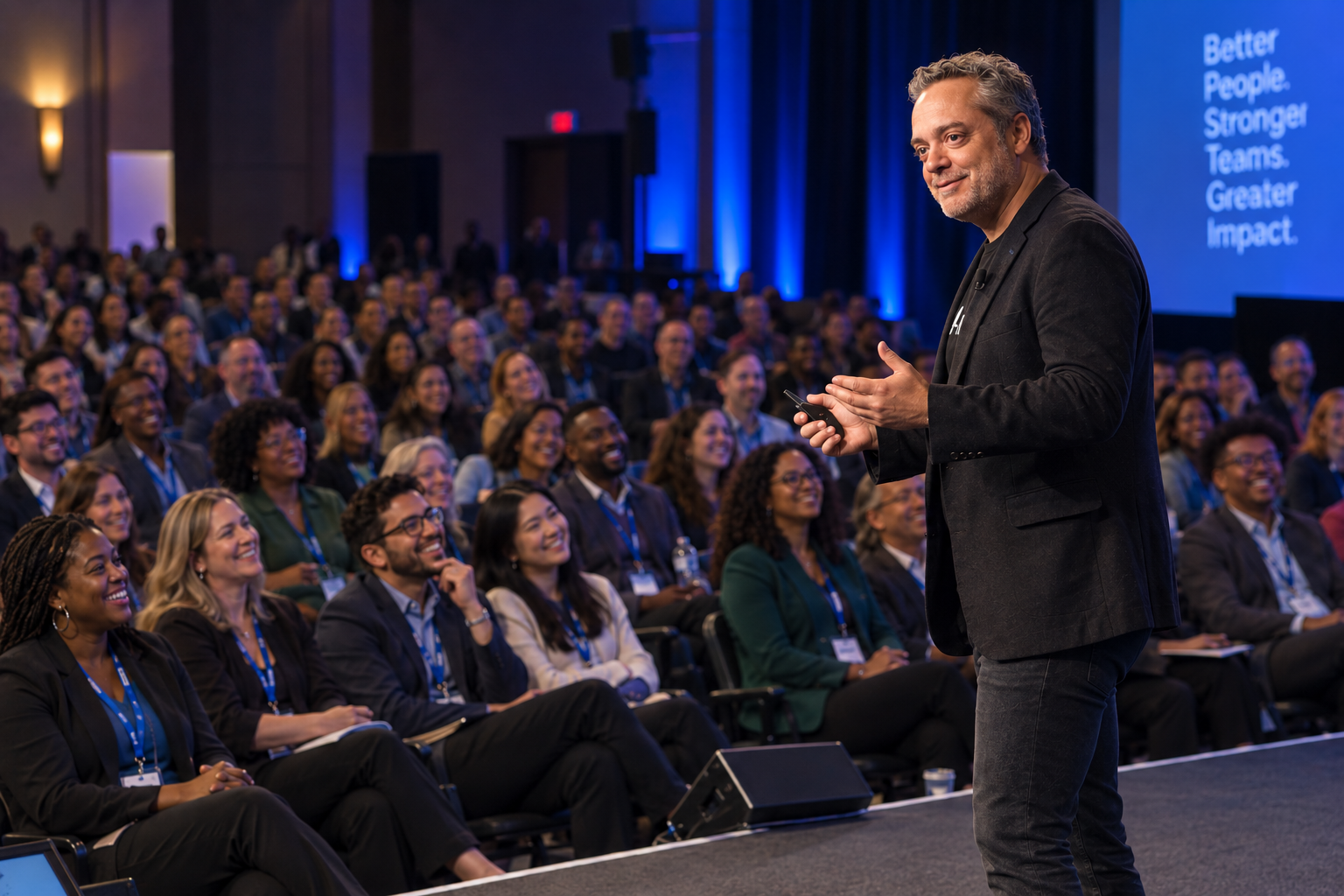
“I spend time on the stage a lot doing presentations around that, around awareness and building,” Harding said. “It’s similar to comedy in that I’m trying to captivate an audience and make them feel something, and instead of laughing, it’s more getting concerned and wanting to do something about it.”
Through the Massachusetts Workforce Development Fund, Harding was able to connect his endeavors. With Amplified Team Training, he’s now able to provide free training to smaller companies “who might not feel like they could afford the training.” Harding also donates a portion of their proceeds to Amirah, continually intertwining seemingly vastly different areas.
Tying It All Together
Harding’s path through testing different classes, majors, and careers — stand-up comedy, improv, advertisement and anti-sex trafficking work — is anything but linear. But along the way, he acknowledges how intertwined all of his undertakings have been.
Harding may have received a C in calculus at Amherst, which he said “might have been generous anyway”, but still keeps in touch with his professor, chatting about comedians and his Daily Show audition. He said even his majors, political science and environmental law and economics, influenced his work in comedy.
“Political science [is] a lot about expressing your viewpoint, understanding other people’s viewpoints, [and] being able to debate that or try to understand it delved a lot into comedy,” Harding said. “That same thought process of how you think about things, how you notice things, or how you think of how one thing relates to another is a lot of what good comedy is about … Some people [often] ask me who makes the best improvisers, and they think it’s just someone who’s innately funny … but it’s really people who can listen well … and understand.”
Years after leaving Amherst, Harding still returns to teach classes on theatre and sees how the liberal arts have influenced him to navigate a multitude of careers and opportunities after college.
The values embedded into improv extend beyond what is apparent at first sight. To Harding, improv is a way of thinking, connecting, captivating, and collaborating that extends through endless settings, healing all too known tense environments and beyond.

Comments ()