

This Lunar New Year’s To-Dos and Taboos
Happy Year of the Horse! As the Lunar New Year begins, Managing Arts & Living Editor Jayda Ma ’28 shares her guide to honoring cherished traditions, protecting your good fortune, and stepping into the new year with energy and intention.
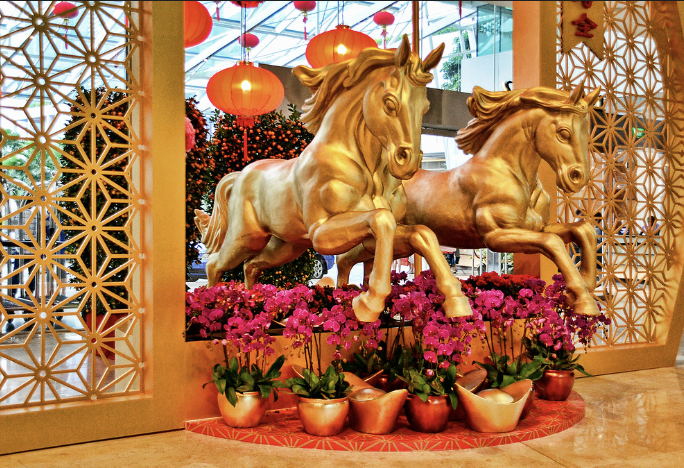
Happy Year of the Horse! On Tuesday, the Lunar New Year officially arrived. Unlike the Gregorian calendar we typically follow, the Lunar New Year shifts each year based on the first new moon, falling somewhere between Jan. 21 and Feb. 20. This year, we welcome the Horse, the seventh animal in the Chinese zodiac, symbolizing enthusiasm, independence, vitality, and momentum.
Growing up, the Lunar New Year was the biggest celebration in my family, as it is in many Asian communities. It was the one time of year when my culture was celebrated to its fullest — the food, the traditions, the red envelopes stuffed with cash, and even the superstitions my grandparents took extremely seriously. While being away from family will make the holiday feel different, those ingrained traditions and taboos stick with you, whether or not you truly believe in them.
As someone born in the Year of the Dog, I’m technically not the most qualified to weigh in on Horse year matters. However, my last name is Ma (马), literally “horse” in Chinese, which I feel gives me credibility and qualifications by default. Even though it's not technically my zodiac year, this has to be my year too, right?
Regardless, I'm taking zero chances. Here's your complete guide to the carriers and barriers of luck commonly observed during Lunar New Year that I highly recommend you follow, too.
To-dos: Inviting Good Fortune
1. Dress in Red (Or At Least Something Bright)
Red is the epitome of Lunar New Year colors. It symbolizes happiness, luck, and celebration, dating back to the Legend of “Nián,” (literally translates into “Year”) — a folklore monster who terrorized a Chinese village until villagers discovered he feared loud noises, bright lights, and the color red. For the start of the year, we dress and decorate in red and gold to attract as much good luck as possible and ward off evil spirits.
If 2026 is your zodiac year, wearing red becomes even more critical. In Chinese, we call this your “Běn Mìng Nián,” and wearing red, especially red underwear or socks, is considered essential protection. Some people prefer wearing red underneath their clothes, believing it boosts energy and happiness from the inside out.
If red truly makes you miserable, opt for other bright, cheerful colors instead. The key is keeping things vibrant and optimistic throughout the first couple of days. Just avoid black or white, as they are associated with mourning and bad luck. Save those fits for literally any other month.
2. Feast with Family or Friends
The most significant event of the Lunar New Year is the reunion dinner, typically held on New Year’s Eve but highly encouraged throughout the first weeks of the new year. After paying respects to ancestors, families gather for a bountiful feast filled with luck-bringing foods. This meal represents both the harvest of the previous year’s hard work and the abundance the family hopes to enjoy in the year ahead.
While most of us are far from our families, gathering friends for a communal meal is a great alternative. The holiday centers on togetherness and reunion as much as it does on welcoming fortune. Cook together, share stories, and create your own traditions. Even a potluck with friends honors the spirit of the celebration. (Val’s Lunar New Year Dinner on Thursday from 5 to 8 p.m. would be a fun way to take part in this!)
Lunar New Year reminds us that prosperity means little without people to share it with. The food matters, sure, but the company matters more.
3. Eat Well
Who needs an excuse to eat sweets? During Lunar New Year, indulging in sugary treats brightens your life and helps you start the year with happiness and energy. One example is sticky rice cake since its pronunciation in Chinese, “Nian Gao,” sounds like “higher year,” implying that you'll reach new heights in the coming year.
Many other Lunar New Year foods are chosen specifically for their lucky-sounding homophones or symbolic shapes. Here’s what else you should put on your feast table:
Fish: The word for fish sounds like “abundance,” promising prosperity. But there’s a catch (pun intended): The fish is served whole, including the head and tail. This represents wholeness and completeness since you want things intact, not cut up, because that brings bad luck. It’s also customary to leave some fish uneaten on the plate, showing you have more than enough to share.
Dumplings: The shape of a dumpling resembles traditional gold ingots, so eating them is supposed to bring prosperity. In Chinese, the characters also sound like “crossing of the midnight hour,” marking the transition into the new year.
Uncut noodles: Their long shape represents longevity and a long life. The keyword here is “uncut.” Slurp those noodles whole, even if it’s messy. Cutting them defeats the entire purpose and symbolically cuts your life short. In this case, the longer the noodles, the better!
Oranges: The Chinese characters sound like “lucky,” making oranges an auspicious gift and table decoration. Mandarin oranges are especially popular because their round shape symbolizes continuity and wholeness. They also look like little sachets of gold money and are basically edible good luck charms. While the other dishes might be harder to get at Amherst, you should at least snag an orange from Valentine Dining Hall (Val) today as a snack.
4. Wish Others a Happy New Year!
I genuinely believe one of the best ways to receive luck in your own life is to share luck with others. So instead of just saying “Happy New Year” in English, try wishing someone a Happy New Year in their language.
The most common greeting is “新年快乐!” (Xīn nián kuài lè!) — pronounced “shin yen kwai luh.” This translates directly to “Happy New Year” and works in virtually any situation. It's the safe, reliable option that shows you made an effort without overthinking it.
But the greeting you'll hear most often, especially in family settings, is “恭喜发财!” (Gōngxǐ fācái!) — pronounced “gong shee fah tsai.” If you’re greeting someone who speaks Cantonese, which is common in Hong Kong, Guangdong province, and many overseas Chinese communities, try “恭喜發財!” (Gung hei fat choi!), the Cantonese equivalent. These phrases literally mean “Congratulations and be prosperous!” or, more casually, “Wishing you wealth and prosperity!” It's the ultimate Lunar New Year blessing because it explicitly calls for financial abundance (as broke college students, this is something we desperately need).
In a culture that values community and collective success, taking time to bless others creates positive energy that comes back to you multiplied. Plus, your Chinese-speaking friends and family will absolutely appreciate that you tried, even if your tones are off.
Taboos: Avoiding Bad Luck
1. Do Not Sweep, Take Out Trash, or Clean Your Room
Right before the New Year arrives, families engage in a massive cleaning spree, washing hair, scrubbing floors, and even giving pets their annual baths. The goal is to sweep away all the bad luck and stagnant energy from the previous year, creating a fresh slate for the new one.
However, once New Year’s Day arrives, you must stop cleaning immediately. Sweeping the house or taking out the trash in the first few days is considered deeply unlucky because you risk sweeping away all your newly arrived good fortune. If cleaning becomes absolutely necessary, sweep from the outside toward the inside of your home to symbolize collecting money rather than discarding it.
The idea is that you’ve spent New Year’s Eve preparing your home to welcome good luck. Once it arrives, you certainly don’t want to accidentally throw it away with the garbage.
2. Don’t Wash Your Hair or Do Laundry
On New Year’s Day, washing your hair is taboo because it may “wash away all your good luck.” The first and second days of the new year are considered the birthday of the water god in some Chinese traditions, so washing clothes during this period is seen as disrespectful and symbolizes pouring away wealth.
I know what you’re thinking: “Great, so I get to skip laundry!” Not quite. This taboo applies specifically to Feb. 17 and 18. You can absolutely wash your clothes on Feb. 19 and beyond. This is not permission to let dirty laundry pile up for weeks. It's simply asking you to delay laundry by a few days to preserve your good fortune.
If you desperately need clean clothes, just wait until Feb. 19. Your future prosperity is worth a couple of days of outfit creativity.
3. Skip the Afternoon Nap
I know. This might be the hardest rule to follow, especially as college students whose natural state is exhaustion. However, taking an afternoon nap on the first couple of days of the new year is believed to make you lazy for the rest of the year.
Think of how you spend the first week of the New Year as a sneak peek and setting the tone for the rest of the year. Start the year energized and active, and that momentum will carry forward. Start it by sleeping through the afternoon, and ... well, you can guess what happens.
If you absolutely must rest, take a brief morning nap instead. The taboo specifically concerns afternoon naps, so you might find a loophole there (though traditionalists would probably disagree).
4. Watch Your Words
Avoid being a negative Nancy. Nobody wants to hear doom and gloom during what's supposed to be the most joyful time of year. During the Lunar New Year period, avoid saying words related to death, sickness, poverty, or ghosts. The idea is that your words have power, as speaking negatively invites negative energy into your year.
If you must discuss difficult topics, use euphemisms. Say “someone has passed” instead of “someone died.” Say “under the weather” instead of explicitly naming illnesses, since it’s important to be mindful of the energy you bring into the new year.
Similarly, complaining excessively or dwelling on problems is discouraged. Try to head into the new year with an optimistic, forward-looking attitude!
Final Thoughts
In a world that often feels chaotic and uncertain, there’s something comforting about following traditions passed down through generations. These rituals connect us to our ancestors, to our families, and to millions of people around the world celebrating the same holiday at the same moment. Whether the cosmic forces are real or not, starting the year with joy and community is never a bad bet.
新年快乐! (Xīnnián kuàilè!) — Happy New Year!
Note: Please don’t let this article become an excuse to pile up dirty clothes in your room or to let trash fester indefinitely. After today, you have zero excuses. Clean your space, do your laundry, and live your life. Your good fortune will survive.


Comments ()