

Woolly Fashion: Ivan Contreras and Michelle Lee
In this edition of Woolly Fashion, Justin Vasquez ’28 spotlights two beloved and stylish campus icons: Professor Ivan Contreras and Professor Michelle Lee. Both professors reflect on how their cultural identities and hometowns have shaped their fashion today.
With winter showing no signs of letting up anytime soon, layering seems to be the only solution. This means, unfortunately, that many people are unable to display their true sense of style under all their coats and snow boots. To combat this cold weather and trouble, I decided to continue the Fashion Column. The goal is to keep conversations surrounding dress alive until spring comes and the groundhog leaves its home.
For this week’s article, I interviewed two lovely professors whom I wanted to get to know better: Assistant Professor of Psychology Michelle Lee and Associate Professor of Mathematics Ivan Contreras.
Contreras shares that, for him, fashion is comfortable gear that keeps him warm throughout this very cold winter. He considers fashion to be a form of art where we can communicate with one another in ways “that is not just using words.” Keeping up with what the notion of fashion is and how it develops over time is something Contreras finds “challenging, but interesting.”
This challenge came from having been raised in Colombia. Contreras shared that during his youth, “the weather [was] mostly the same throughout the years. [We had] no sense of seasons.” That meant wearing similar outfits year-round to match the hotter climate.
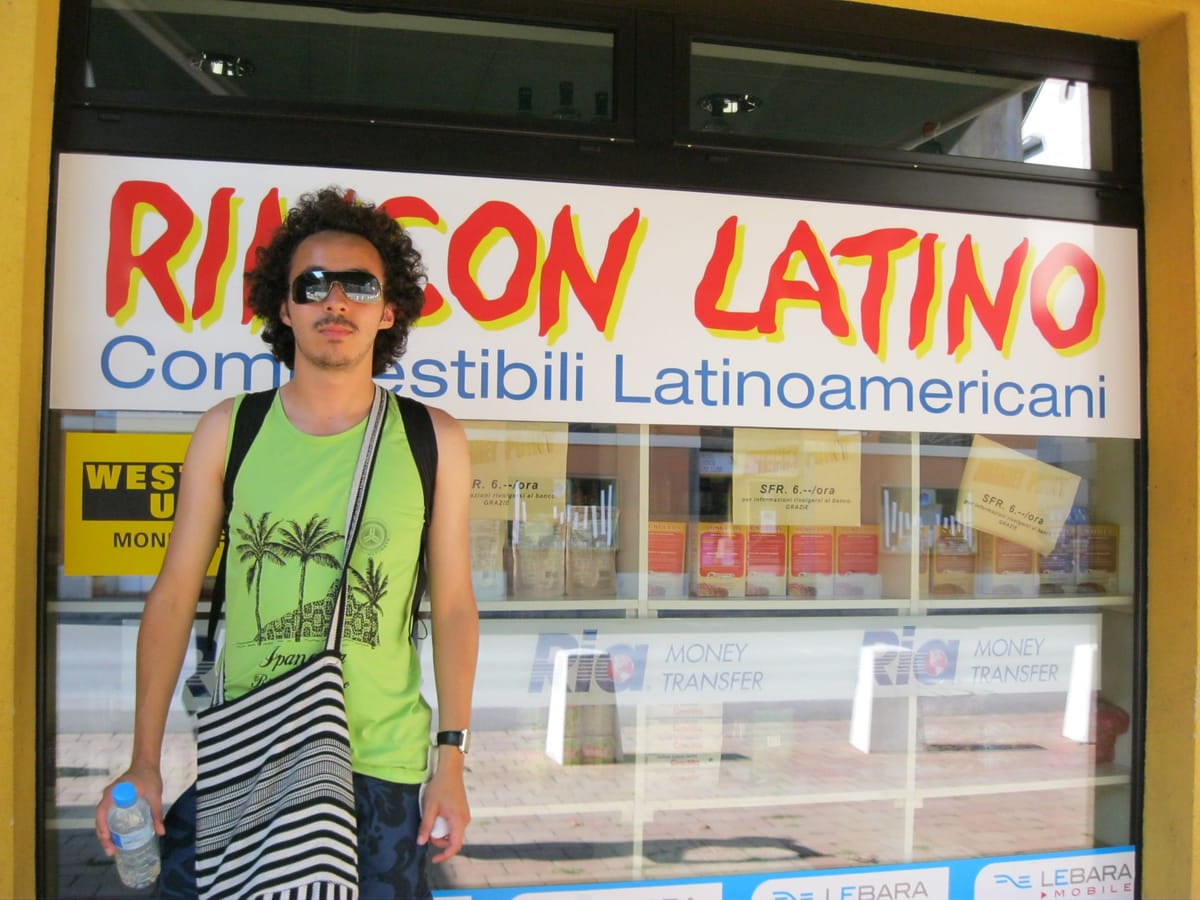
At Amherst, Contreras’ style has changed drastically. He tells me that the one jacket he wore in Colombia was of no use in New England because of the seasonal changes; When he first came to the U.S., he admitted that he “learn[ed] the hard way.” While he now adapts his clothing style to the changing seasons, that has not prevented him from demonstrating his Colombian pride. Throughout his childhood, he was exposed to soccer, which turned him into a fanatic. So, from time to time, he wears his Colombian Jersey. One of the items is a scarf that says “cafeteros” — a nickname for the Colombian national soccer team — and has the name Colombia all over it. He also used to carry a mochila, which is an indigenous version of a backpack, to work. “I am very proud of being Latino and Colombian,” he told me.
Accompanying these changes in style are the influences of his immediate family. Becoming a father has changed how Contreras styles himself [description]. While he primarily focuses on reflecting a professional image of himself, that does not prevent him from choosing outfits that merge with his sense of comfort. What bigger comfort is there than asking your wife to help you pick out your day-to-day fits? He refers to his wife as his “fashion consultant in residence.” They work together to showcase his sense of dress by picking out outfits that tie in perfectly with whatever occasion Contreras is getting ready for.
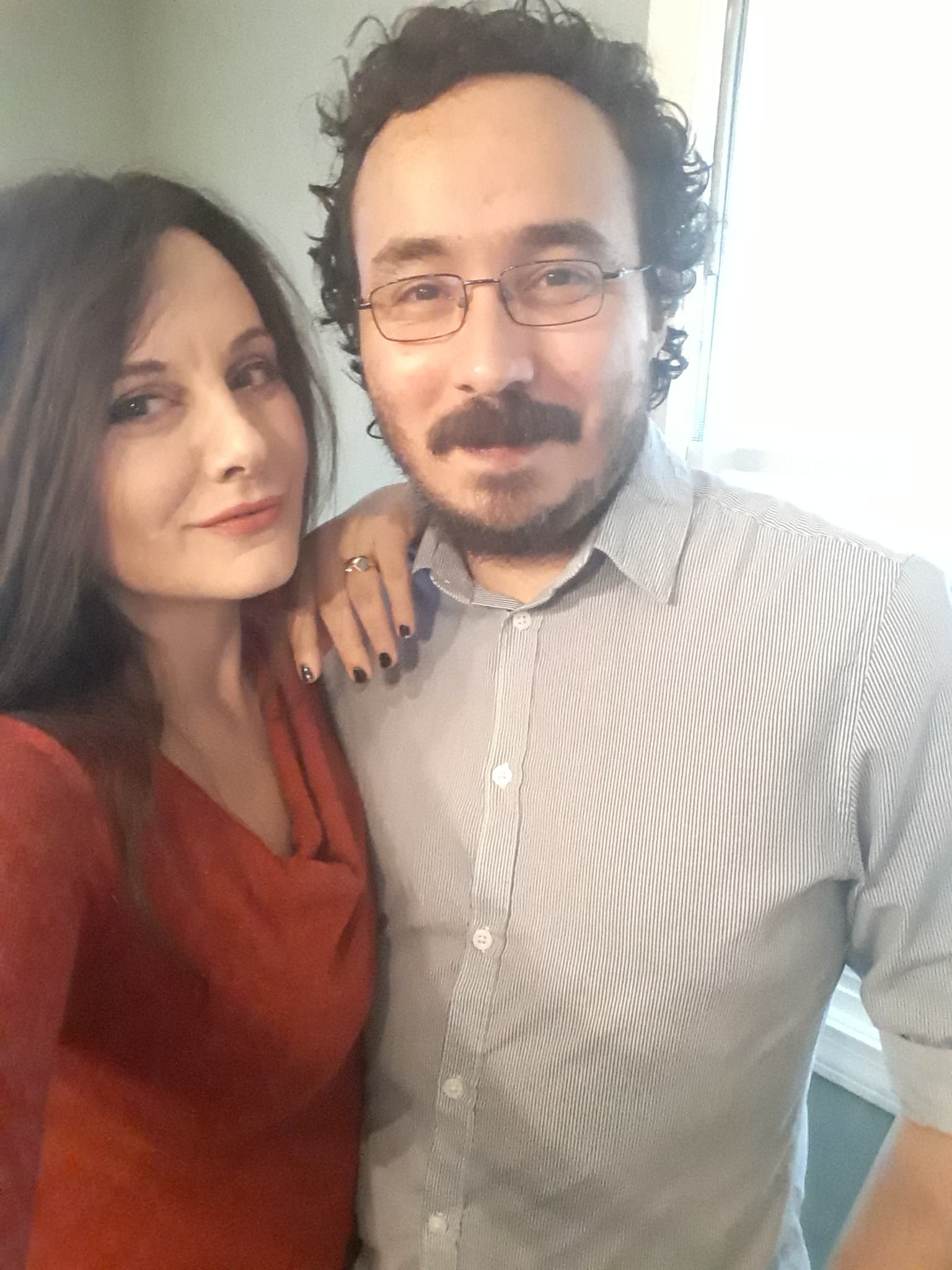
Professor Michelle Lee grew up Korean American in a single-low-income family household across Connecticut and New York, which gave her exposure to a variety of cultures and their styles. Due to her economic background, fashion was not one of the things imposed heavily on her. Yet, Lee built a foundation for appreciating style through her mother and older brother’s love for art. As a family, they visited art galleries and museums, which helped form Lee’s passion.

During her high school years, Lee consistently wore clothing that made her feel comfortable. As one of the few Asian students in her school, Lee adopted an American sense of style. She described that, at the time, Abercrombie & Fitch Co. (A&F) was a “popular brand in the homogeneous neighborhood I grew up in.” This led her to believe that wearing the brand was the norm to “fit in.” She recalls wearing one specific t-shirt from Abercrombie & Fitch that made her “feel so cool” that she wore it over and over again until it “died.” This item was one of her first connections to fashion.
Once she moved to New York, Lee realized that fashion was not just American — or A&F; it could also be cultural. One of her favorite moments in the city, she tells me, was the Lunar New Year street fairs in Brooklyn. Many Korean artists and designers would be present at these events, sharing their art and fashion. Today, Lee embraces this Korean fashion identity through shopping at Korean-owned stores, such as KORELIMITED.
Once Lee enrolled as a student at New York University (NYU), her relationship with fashion flourished. She joined the dance community, which heavily influenced her thoughts on style. Lee explained to me that the dance community went beyond just exposing her to new forms of dress; it also presented her with various dance styles, such as waacking and voguing. She played with fashion through the outfits she wore to perform and drew inspiration from dance groups she witnessed at competitions.
After NYU, Lee worked at Barnes & Noble Booksellers and in publishing. This is where Lee’s love for thrifting grew: as she dealt with her post-grad income, Lee developed an ability to find pieces that matched her sense of style for cheap developed. Later, in graduate school, her sense of fashion evolved from dancewear to professional attire.
Now, as a professor, her mindset has shifted as she acknowledged that she was “finally making money now! Finally!” She shares that money has always been tight for her, so not having to think about financial struggles has helped her embrace fashion even more. Lee makes a point of shopping mindfully: “I’m trying to be cognizant of the crisis of fast fashion and how it is destroying the planet.” To address this, Lee says she borrows clothes from services like Nuuly, a subscription clothing rental service, to reduce her waste footprint by not purchasing from fast-fashion companies. Despite the more academic and formal dress expectations placed on professors, Lee makes it her goal to still blend her sense of fashion with the professional attire she wears.
A blend between the professional and the personal seems to be the common theme between both professors. They each have had very unique experiences with art, all of which connect to their identities as people of color. They exemplify people who have it all. Brains, beauty, and a great sense of style!

Comments ()