

Emotion, Love, Struggle, and Drama on the Screen
To escape the drama on campus, sit back and watch other people's problems in the new movie, “The Drama.” Discussing the elements that make this movie such a hit (without spoilers!), Assistant Editor Amber Lee ’28 analyzes the film's highlights.
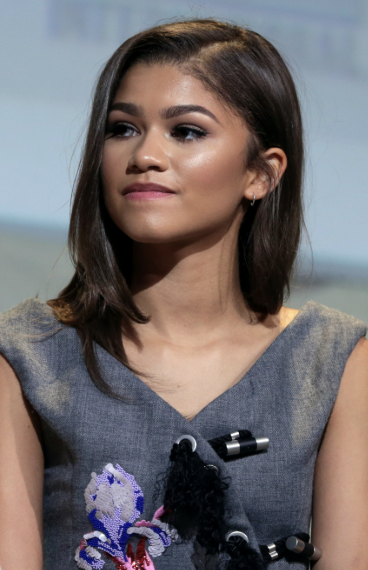
Kristoff Borgli’s new movie, “The Drama,” starring Robert Pattinson (Charlie) and Zendaya (Emma), is technically a romance movie, but only in the same way that Williams College is technically the number one liberal arts college. The premise is pretty simple: two attractive people fall in love and are on their way to getting happily married. Sure, there are some emotional obstacles and relationship turmoil in the process, but everything’s fine, as long as you have the person you love next to you … right?

In a time when most of the movies Hollywood churns out seem fast-paced, action-packed, and flashy, “The Drama” offers a break from a constant cycle of objectives and quests characters embark on. This film offers an intentional, slow, and intimate picture of emotionally restrained conversations. Through quiet glances, lingering camera angles, and the gradual buildup of tension between two people struggling to keep their love alive, the audience is rewarded if they pay attention and stay patient.
I’ll try to avoid spoilers: The story follows a couple whose connection forms quickly through a meet-cute (he asks about a book she’s reading at a cafe). Through flashbacks, we see small moments of romance that led to the current situation, where Charlie and Emma are engaged and will be married next week. All seems to be going well until an unfortunate dinner with friends, where Emma reveals troubling information about her past that shapes the plot from there on.
While the film follows the couple as they question their new dynamic, one thing is certain: the chemistry Pattinson and Zendaya share. Maybe I’m biased —Zendaya is incredibly beautiful and I think she could have amazing chemistry with anyone — but Pattinson does a decent job matching her. Pattinson delivers a convincing performance as Charlie, a slightly awkward British character who is as equally emotionally constipated as Zendaya’s character. Pattinson’s mannerisms, such as hesitating before speaking and posture shifts during uncomfortable conversations, emphasize the internal conflict Charlie faces in this movie. He desires closeness and closure, but is interrupted by his own fear of emotional vulnerability. Zendaya, however, plays her character, Emma, with quiet assertiveness. While Emma isn’t the loudest person in the room, she commands attention and respect through her emotional maturity, self-awareness, and social skills. Her character is not scared of difficult situations and will call someone out, even if it means causing conflict. Put together on the screen, Pattinson and Zendaya’s performances sell a pretty powerful story about an engaged couple figuring out how much they really know each other.
After watching the movie, many viewers might wonder: how well do we really know the people we love? The story opens with and focuses on the central issue: Charlie did not know about a defining part of Emma’s past, despite years of dating and proposing. This reveal is less of a shocking plot twist and more of an emotional rupture that throws the couple into confusion. It forces the characters and audience to reconsider what intimacy really means and whether long-term commitment guarantees complete understanding of that person.
The fact that your significant other could be keeping a huge piece of their history from you is not an uncommon or original fear that many people in relationships have. Yet the film, instead of turning this fear into a melodrama, explores its consequences by withholding the truth. There is an erosion of trust, a sudden reevaluation of shared memories, and a realization that the familiarity you thought you had with someone was distorted all along. Given these complications, the film emphasizes that the challenge of a relationship is not just learning new things about them, but figuring out how to move forward with it, especially with a disturbing one.
One of the things that stuck out to me from the film is the blurry line we assign to someone’s moral responsibility and how easily that line shifts depending on the outcome, rather than the intention. Because it is a big spoiler of the movie, I won’t spend too much time on this, but the question that the film raises is difficult to ignore, which is that if a person fully has the intention to do a horrible thing, but decides not to do it, how much more can we blame them than someone who actually committed a lesser sin? This question was compelling to me because it challenges our instinct to blame people solely for the consequences. While it seems intuitive to say that stepping back from committing a morally reprehensible act should be praised, the discomfort of the intention having existed in the first place remains. The film doesn’t offer a clear answer to this, but it does prompt viewers to consider how we rank wrongdoing in our everyday lives.
Ultimately, the film succeeds, not because it reinvents the romantic drama, but because it redefines it. Its portrayal of Charlie and Emma’s relationship highlights the real tension people face in romantic situations and how intense it can feel. This film may not appeal to everyone, but for those willing to accept a slower pace and more intentional, emotional dialogue, it can offer a philosophical and thoughtful exploration of connection and vulnerability.

Comments ()