

Superintendent Discusses Amherst Elementary School Budget Deficit
In an interview with The Student, Superintendent of the Amherst-Pelham Regional School District Dr. Ericilda Xiomara Herman discussed the budget deficits that the region faces and the plan to merge Amherst Regional High School and Middle School.
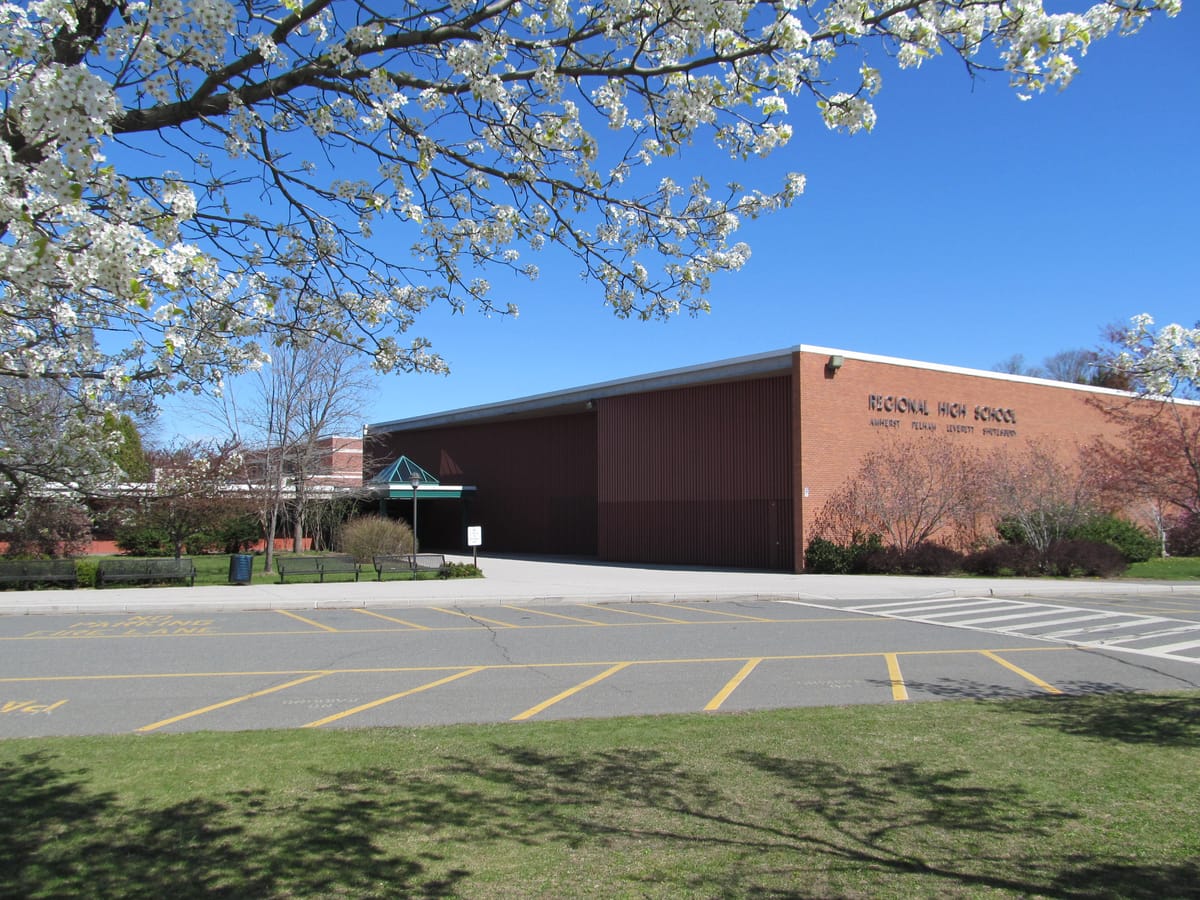
The Amherst elementary school district has been facing budgetary concerns, especially in light of a consolidation initiative. On Monday, Superintendent of the Amherst-Pelham Regional School District Dr. Ericilda Xiomara Herman commented on the deficit that the Amherst elementary district is facing.
In an interview with The Student, Herman began by sharing what she wants the community to know about the proposed budget. “There’s a lot of nuances to running a school system, things that are seen and things that are unseen, and it’s not often explained or laid out the way it should be,” she said.
She added that these nuances include the “things that go [on] behind the scene, [which] are often in the budget, and it gets hard to break down and explain each and every item, task, and person.”
Herman’s priority is to “encourag[e] the community to seek clarity, but also to be open-minded.” According to Herman, this approach is especially important for the ongoing the K-6 Restructuring initiative, which includes the consolidation of Fort River Elementary School and Wildwood Elementary School into the new Amethyst Brook Elementary School, as well as the creation of a standalone sixth grade program, Chestnut Street Academy, housed within the Amherst Regional Middle School. Herman said that the Office of the Superintendent has held meetings to solidify the plans for this initiative.
“[We] took a lot of time and effort and energy to lay this out, looking at our staffing plan, looking at our numbers,” Herman said. She expressed that to her knowledge, this consolidation effort is “something ... no other district in Massachusetts has done,” which she acknowledges “comes with a level of shift in mindset.”
When asked how the budget will continue to offer students in the district a quality education, she explained that it is “a different look at budgeting, operations, but the focus is making sure we give our students what they need. She emphasized that balancing the budget was “not an overnight quick fix,” but months of planning and conversations all coming together.
Herman also spoke about the broader trends of budgetary struggles in public schools. “The budgetary issue that we’re facing isn’t one that’s just unique to Amherst,” she said, adding that they are occurring across the school districts of Massachusetts as well as the entire country.
In acknowledging nationwide budget cuts for education, Herman expressed that local, state, and federal actors were contributing to this issue, but that all conversations come back to the same question: “How are we prioritizing the money … the financial stability of our schools?”
It was important to her that the programming needs of the school district are taken into consideration, as population numbers for the district change, ensuring that there is equity in teachers’ workload.
During conversations regarding the budget, the Office of the Superintendent had to balance conflicting priorities, including educational and extracurricular interests. “Children come to school for more than to learn,” Herman said. She wants the budget to ensure that schools are still “creating that level of quality education,” not only in terms of academics, but opportunities for students to engage in music and art.
Herman also emphasized listening to community feedback and pushback. “Each of our committees are required to have a budget hearing where the community comes forth and says what they need to know about it,” she said. “I’ve had listening sessions with teachers, parents, and students, and responded to questions from the union.” After this process, Herman said she and her team have reflected on feedback from community members to shift the budget plans they have previously put forward.
“The real deep crux of the matter was, are we meeting the needs of our students? And so if there was one area [that was presented in the community feedback] where I felt like ... we weren’t meeting the needs of our students, [then] we made that change,” Herman said. “As long as we’re able to show that in the areas we were meeting [the] needs of our students, we just stood firm until the school committee told us [to shift] otherwise.”
Editor’s Note, May 1, 2026: A previous version of this article misinterpreted the K-6 Restructuring initiative as a proposal to merge middle and high schools into the Amherst Regional High School building. There is no proposal that suggests the merging of middle and high schools at this time.
Comments ()